My Experiences With Fusion
I found Fusion 360 pretty unwieldy to work with, especially as a beginner. I had a lot of trouble getting lengths, angles, and different parts of the model to line up correctly. Even when I thought I had entered the correct measurements, small inconsistencies would sometimes cause problems later in the modeling process. Rotation was another major issue for me. I found the rotation controls and the overall UI for manipulating objects somewhat unintuitive, which made it difficult to position pieces exactly where I wanted them. Overall, the process required a lot more trial and error than I expected.
The biggest thing that slowed me down was making sure that all of the individual measurements were accurate and consistent. Because I was modeling a Rubik’s Snake, the individual pieces needed to connect and rotate in very specific ways. A small measurement error in one part could affect the way the entire model fit together.
I also struggled with positioning and rotating the individual pieces. It was sometimes difficult to tell whether something was actually aligned correctly or just looked like it was aligned from a particular viewpoint. This made the process somewhat frustrating because I would occasionally discover later that something I thought was correct was actually slightly off.
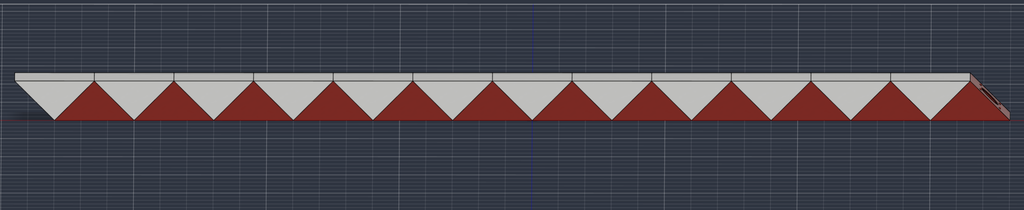
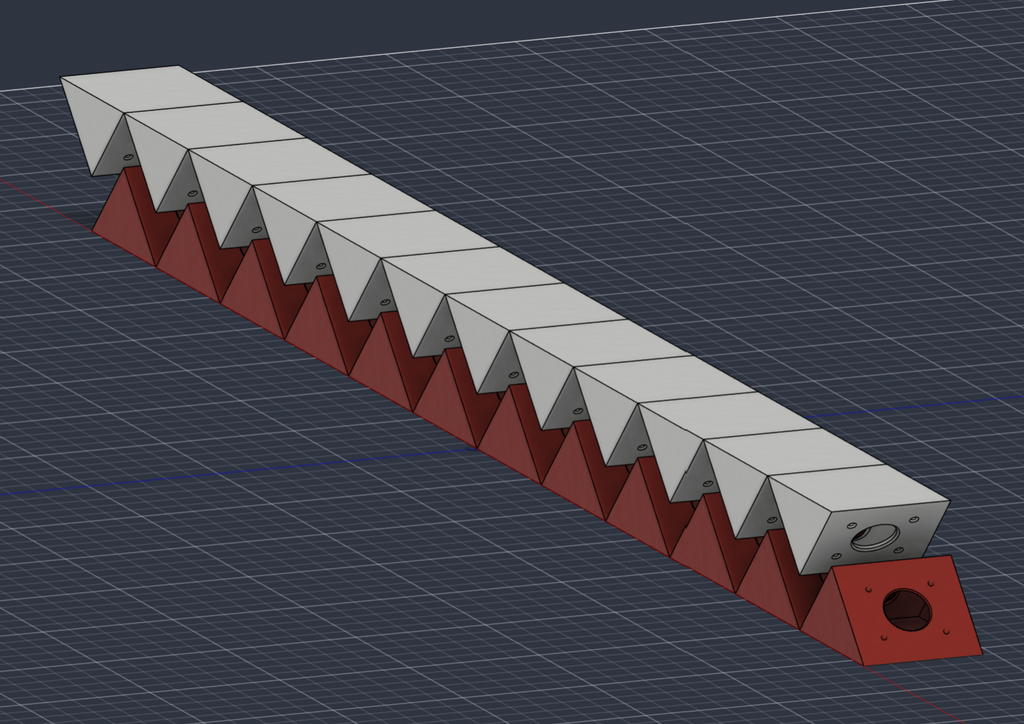
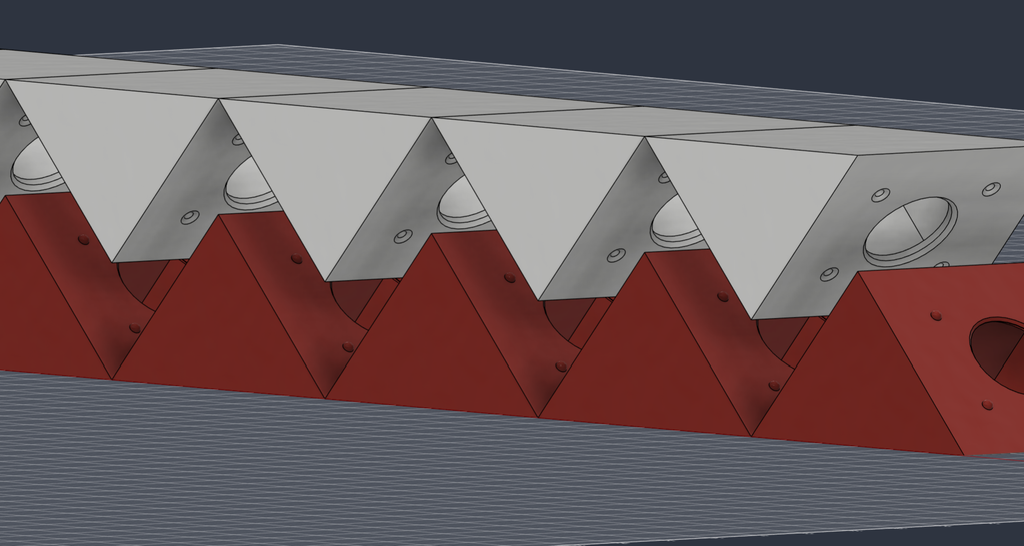
I ended up making two different versions of the model, and each one involved different compromises. In the first version, I was able to make the individual units of the Rubik’s Snake hollow; however, the measurements of the overall snake were not quite accurate.
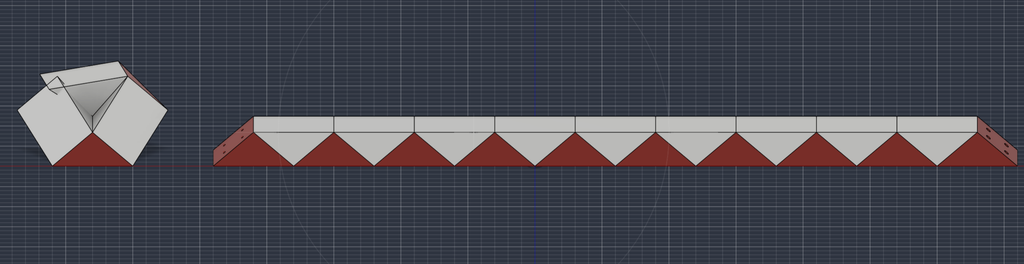
For the second version, I focused more heavily on getting the measurements correct. The measurements were mostly accurate, but I ran into a different problem: I couldn’t get all of the pieces to align properly when trying to fold the snake into a spherical display of the model. I also wasn’t able to make the pieces hollow in this version, as I had in the first. I ended up having to prioritize getting the general shape and measurements closer to the intended design rather than successfully accomplishing every part of the original plan.
Fusion TIps
The Align tool ended up being one of the most useful tools for me, although it was also a little daunting to use at first. One thing I learned is that you should pay close attention to what part of the object you are selecting when trying to align things. In particular, using edges as the points of alignment worked much better for me than trying to use corners or faces. When I tried using corners or faces, I often found that the objects would not align in the way I expected.
My biggest advice would be to experiment with the Align tool early rather than trying to manually rotate and move everything into place. It can save a lot of time once you understand how it works. I also wish I had figured this out sooner, because manually trying to position and rotate all of the pieces was one of the things that made the modeling process much more frustrating than it needed to be.
Humanistic applications for 3d
I think 3D modeling has a lot of potential for the humanities because it gives researchers and students ways to interact with objects, spaces, and historical environments that would otherwise be difficult to access. Instead of only looking at photographs, written descriptions, or two-dimensional drawings, students could explore a three-dimensional reconstruction of an object or place.
For research, 3D modeling could be particularly useful for documenting artifacts, architecture, archaeological sites, historical objects, and reconstructed environments. A researcher could create a model of an object that is fragile, inaccessible, or located in another institution and then use that model for analysis or comparison. Models could also be used to test ideas about how historical objects were constructed or used.
In teaching, 3D models could make historical and cultural subjects much more interactive. For example, students could explore a reconstruction of a historical building, examine how an artifact was assembled, or manipulate an object from different angles rather than simply looking at an image of it. This could also make public-facing humanities work more accessible. Museums, archives, and other cultural institutions could use 3D models to allow people to interact with objects digitally, even when the original artifact cannot be handled or displayed.
3D Models
Rubik’s Snake 1.0
Rubik’s Snake 2.0
Hey Kate, this is a really cool build, and the up close shots of the pieces also show the attention to detail you put into this project! From what you said and what i can see it also looks like this was a really difficult process but the result came out well. I’ll be sure to try out the align tool you mentioned since it seems like a really useful one to know about. I’m not sure If it would’ve helped much in your case but the patter tool helped to make creating a bunch of the same a lot quicker for me. I also agree with your opinions on humanistic applications for resources like these. Being able to bring things like this into a classroom space, or other locations where visual models could benefit the public are really good idea for innovation.