The combination of artificial intelligence and automated image manipulation raises a critical ethical challenge: the silent invention and reduction of historical truth under the guise of objective processing. When AI models colorize black-and-white archives or extract algorithmic data using computational distant viewing tools, they do not simply uncover hidden historical details; they impose statistical approximations that risk reshaping our collective memory. As Ted Chiang points out in “ChatGPT Is a Blurry JPEG of the Web,” generative AI tools function essentially as lossy compression algorithms, where “lossy compression is often used for photos, audio, and video in situations in which absolute accuracy isn’t essential”. The central danger occurs when these tools obscure their own approximations. Chiang notes regarding automated reproduction errors that “the photocopier was degrading the image in a subtle way, in which the compression artifacts weren’t immediately recognizable… it made the copies seem accurate when they weren’t”
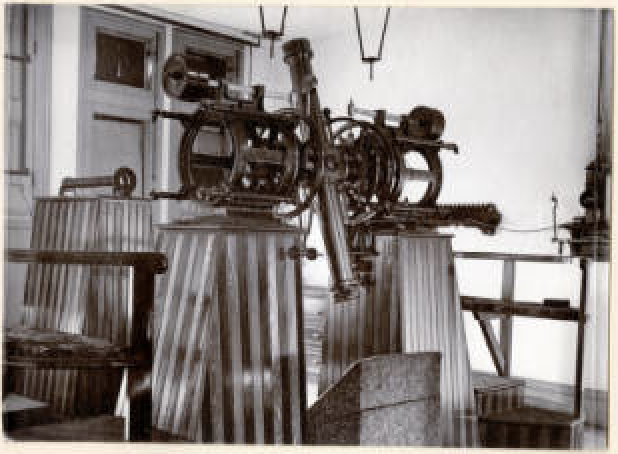
Applying AI colorization and distant viewing tools to historical photographs illustrates this dynamic vividly across three stages. The monochrome original photograph captures an astronomical instrument in its authentic archive state, preserving tonal values without machine alteration.
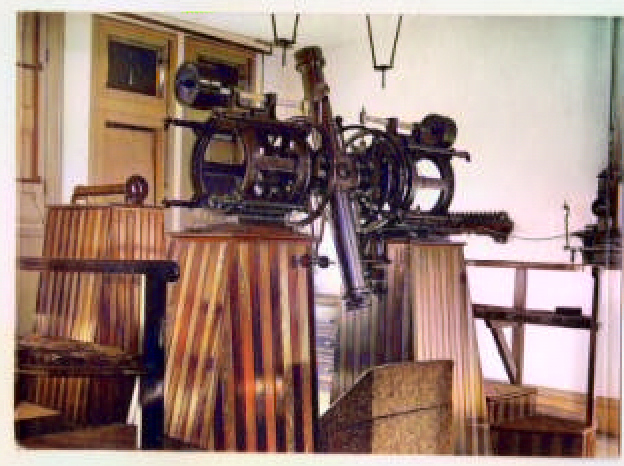
When passed through an automated colorizer, the algorithm fills in missing RGB values based on statistical patterns learned from unrelated training data, generating plausible wood grain patterns and warm hues that represent arbitrary machine inventions rather than historical fact.
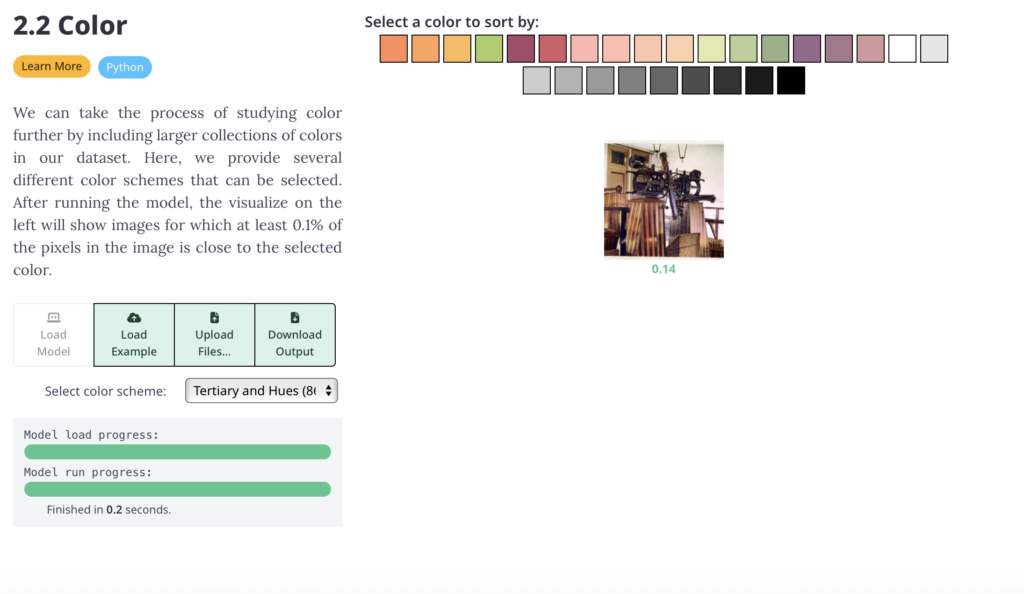
Finally, processing the image through the Distant Viewing Explorer breaks the visual surface down into numerical color distributions, flattening a complex historical object into abstract quantitative data. When viewers consume these manipulated outputs without critical awareness, they mistake statistical interpolation for historical reality, replacing genuine history with a polished, believable hallucination.