China Biographical Data Base(CBDB) is a digital humanity project aiming to help researchers explore historical Chinese biographical information through interactive visualization. It links fragmented information of historical people, places and relationships into visual forms such as maps and graphs, which simplify the analysis of relationships and patterns in a large data base.
The data set contains various records about historical people in China, including people’s identity, dates, places, office and social connections. To associate the data above, CBDB uses geographic location to create a map-based visualization. Specifically, CBDB creates a map that visually shows the location of people in a period of time, which is shown in the figure below. Another important asset is the information about relationships between people. Instead of treating each historical person as an isolated record, the database contains connections between historical periods. Overall, CBDB contains historical records, geographical information and relationships.
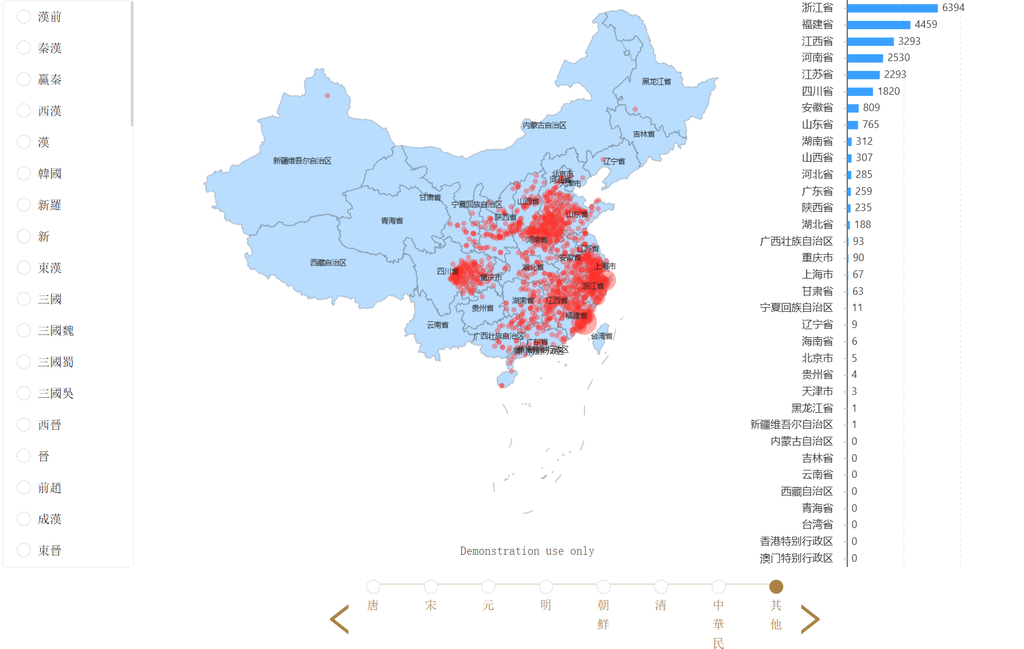
fig1: An interactive graph on the website
As the data set contains information of thousands of historical people in China, the process of organizing the data is essential. CBDB organized data by grouping the data into 5 different categories: Biography, Sources, Place names, Official titles, Institutions. Each category is inter connected with each other. For example, for records containing graphic information, they connect location with the remaining information. CBDB presents data by creating a search engine based on the five categories mentioned above. Users can get detailed information about a record by searching any one of the five information mentioned above, then a bunch of related records pop out. In addition, CBDB provides an interactive map, in which users can choose the historical period and the location they are interested in.
The aim of InIndex is to transform a large collection of historical Chinese biographical data into interactive maps and relationship networks. Therefore, researchers can explore people, places, and social connections in new ways. But the data could be more open to the scholars in China as most of the categories are in Chinese.
When breaking down the website, a question came to mind: CBDB has a large data set, what do they do with the data?