With the development of artificial intelligence, we can now colorize black-and-white photographs and generate videos that make historical scenes appear more realistic. These technologies allow us to visualize the past in new ways. In today’s exercise, comparing the original photograph, its colorized version, and the Distant Viewing Explorer output shows how computational tools can change our perception of historical images. However, this raises an important ethical question: What happens when AI-generated interpretations of history are mistaken for reality?
Although AI can predict what the original colors or historical scenes might have looked like, its predictions are not necessarily accurate. The colors of clothing, buildings, and other objects may be based on patterns in training data rather than historical evidence. In How AI Is Hijacking Art History, Sonja Drimmer writes, “Adding color does not show things as they were but recreates what is already a recreation – a photograph – in our own image, now with computer science’s seal of approval.” This highlights how AI colorization introduces another layer of interpretation instead of simply restoring the past.
The problem becomes more serious when AI-generated images and videos spread online without clear labels. Viewers may mistake fictional details for historical facts, creating misleading impressions of people, cultures, and events. Drimmer also warns that “the field’s sensitivity to historical particularity and cultural difference makes the application of the same code to widely diverse artifacts utterly illogical.” This suggests that AI cannot fully account for the unique historical and cultural contexts behind every image.
I believe AI image manipulation can be useful for education and historical exploration, but its limitations must be acknowledged. AI-generated content should be clearly labeled, and viewers should be encouraged to distinguish documented evidence from algorithmic predictions. Ultimately, the ethical concern is not simply whether AI can recreate the past convincingly, but whether these convincing recreations might eventually replace our understanding of what actually happened.


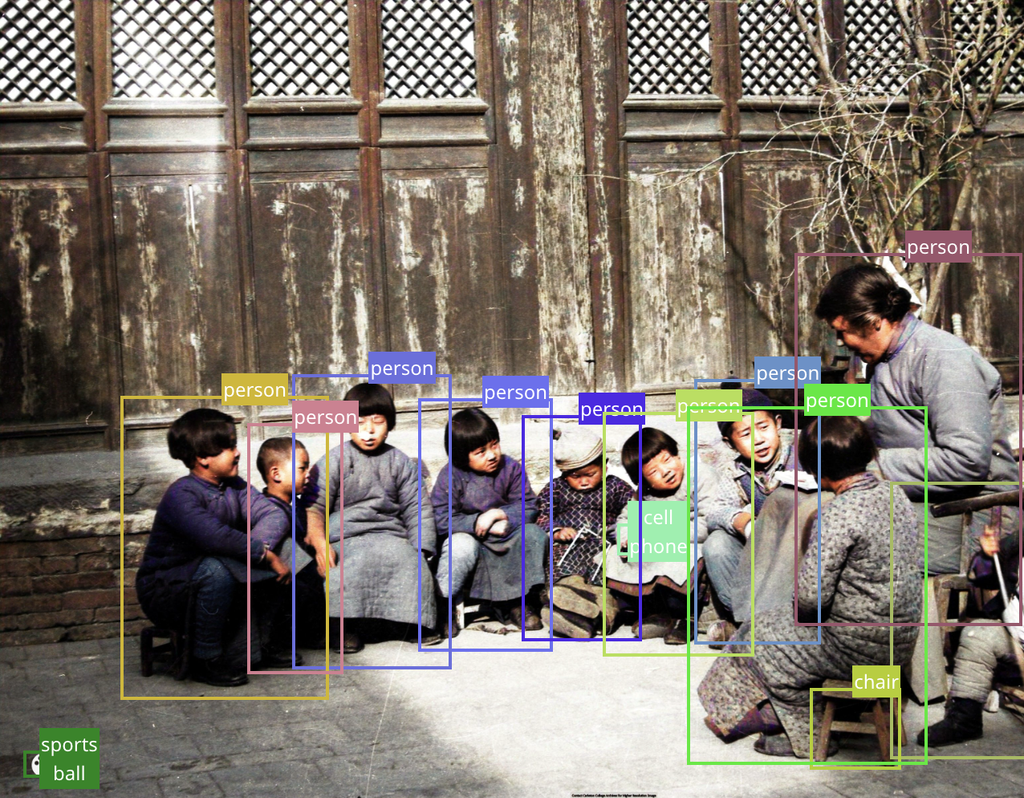
Hi Rigley, you got a nice colorized photo. I like your idea that all AI generated contents should be tagged with AI generated. As artificial intelligence keeps learning new data sets and refining algorithms, the difficulties to distinguish AI generated contents and original ones will be harder. Without the tag stating that the content is AI generated, some misleading information may appear.
The perspective about “adding an additional layer of interpretation” was unique and really interesting to think about. Whether or not created by an AI, and whether or not done with the intention of speed or quality, recoloring an image still requires decision making that could be incorrect. Making statements through such a reconstruction can only be made within the context of the perspectives of the reconstructor.