Even though I had a little previous experience with Fusion 360, this project still had a learning curve. I understood the basics like sketching, simple extrusions, navigating the workspace—but actually designing my own product took creativity and learning a few new processes. Certain techniques, like applying constraints correctly or choosing the right feature for a shape, slowed me down more than I expected. I had to be patient, redo steps, and accept that the learning curve was part of the process.
The hardest part was making the holes in the dice. When an early sketch wasn’t fully constrained, all of the other dots were uneven or were the wrong size. Fixing one mistake sometimes meant breaking three other things. I had to compromise by simplifying parts of the model and letting go of overly complex ideas so the design wouldn’t collapse every time I adjusted something. Another compromise was accepting that my first version wouldn’t be perfect, and it is going to take more practice to get good.
Working through these challenges made me think about how powerful 3D modeling can be for humanistic research and teaching. Beyond engineering, 3D modeling allows scholars to reconstruct historical artifacts, visualize ancient architecture, or recreate archaeological sites that no longer exist. Teachers can let students “handle” virtual objects that are too fragile, rare, or distant to access physically. Museums can create interactive digital exhibits that make cultural heritage more accessible to the public. In this way, 3D modeling becomes a bridge between past and present, turning abstract historical knowledge into something tangible and engaging.
A tip I’d share with other novice Fusion 360 users is simple: learn constraints early. In order to make a sketch symmetrical and look good constraints are the most important feature. A fully constrained sketch behaves predictably, and it saves a lot of frustration once you start adding features.
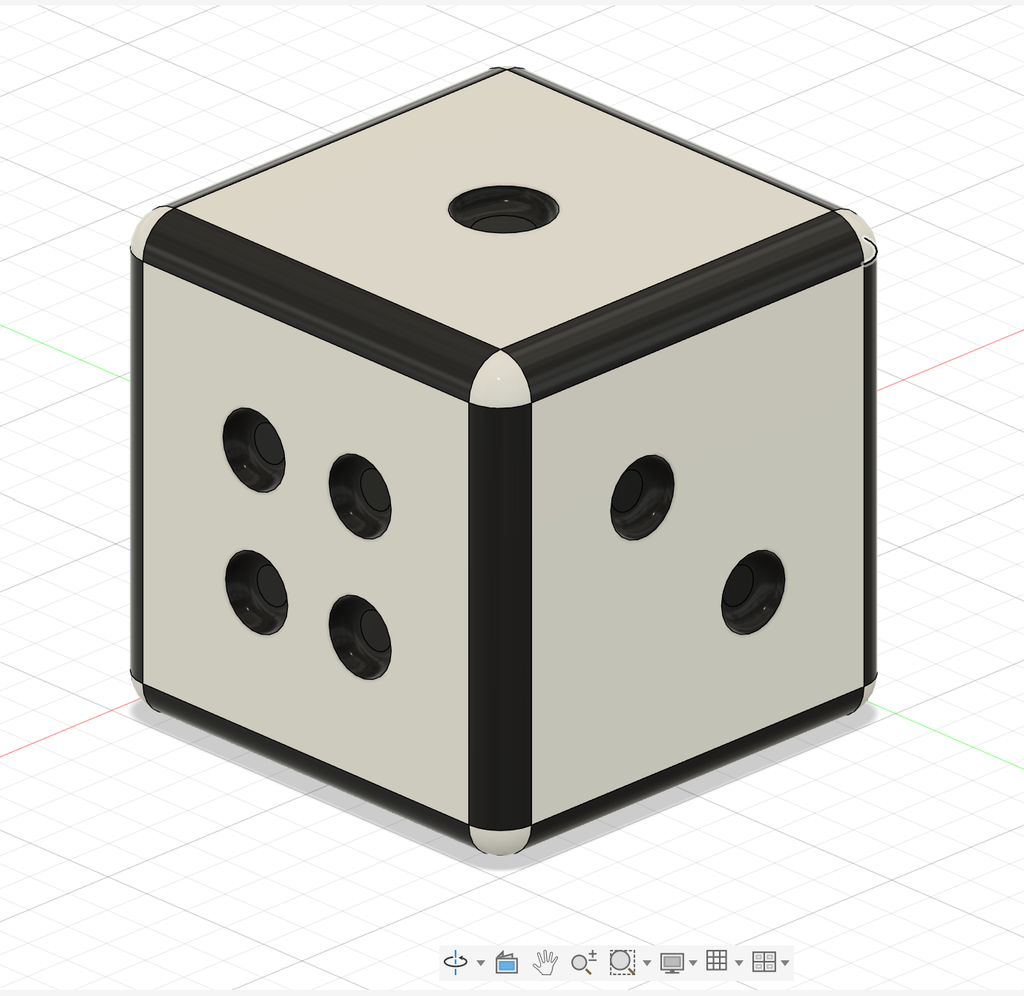
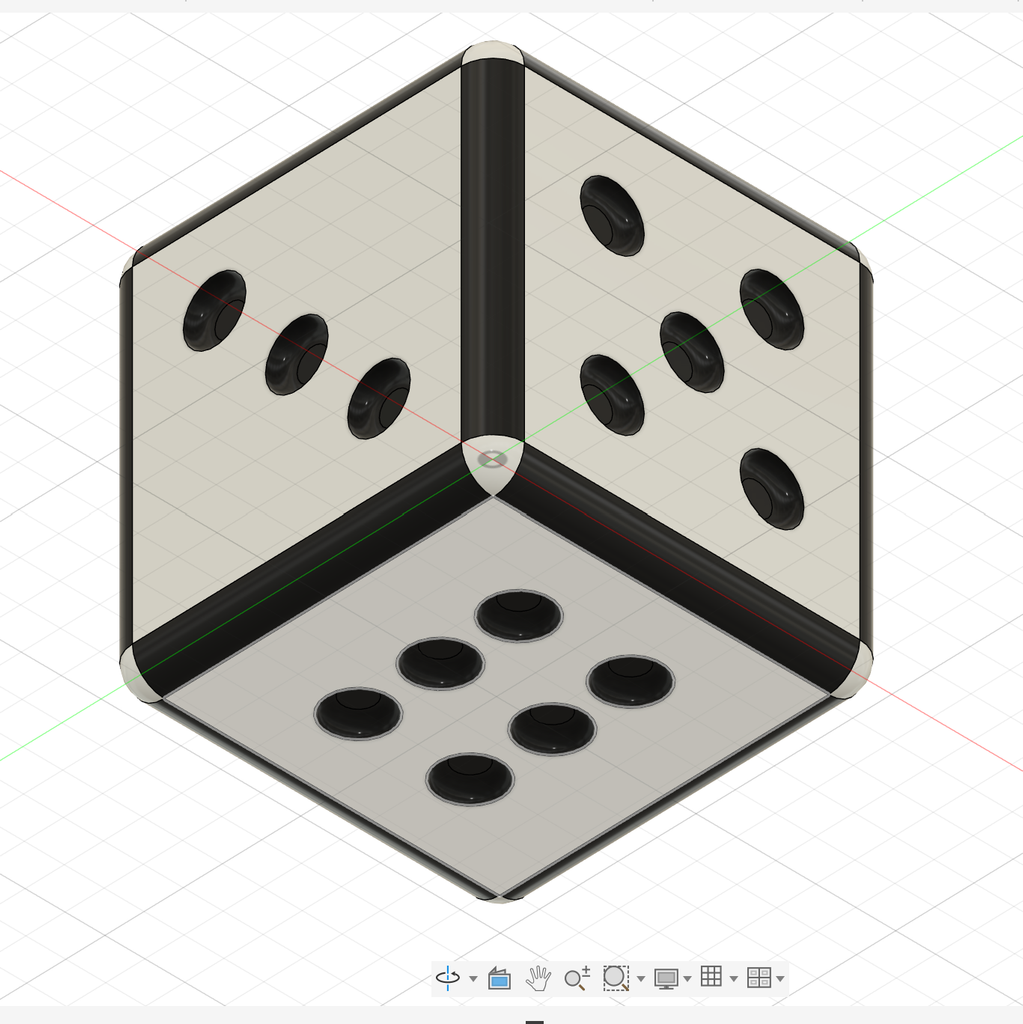
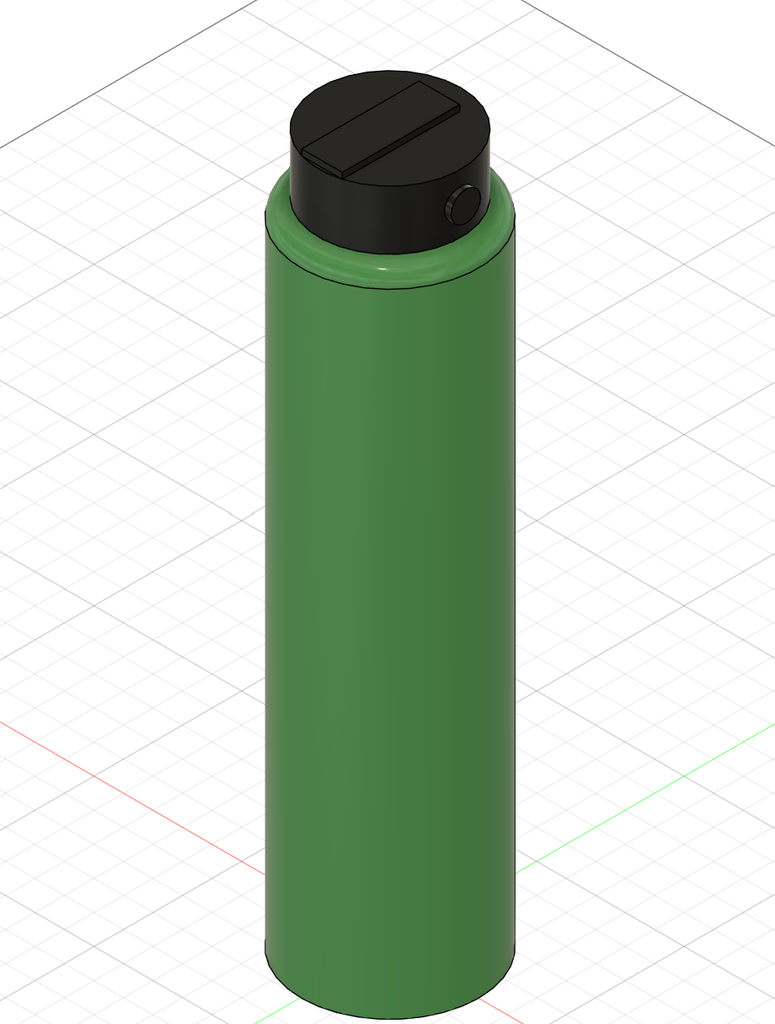
Evan, I am super impressed with your modeling abilities. Your prior experience definitely shows! I love that you added the mouthpiece to the cap of the water bottle. I found that using constraints were useful too, as they allow you to keep everything symmetrical and clean. I also agree with your stances on the power of 3d modeling for humanistic research.