“Digital Humanities is a production-based endeavor in which theoretical issues get tested in the design of implementations, and implementations are loci of theoretical reflection and elaboration.”
Burdick et al. “One: From Humanities to Digital Humanities,” in Digital_Humanities (Cambridge, MA: MIT Press, 2012), 13.
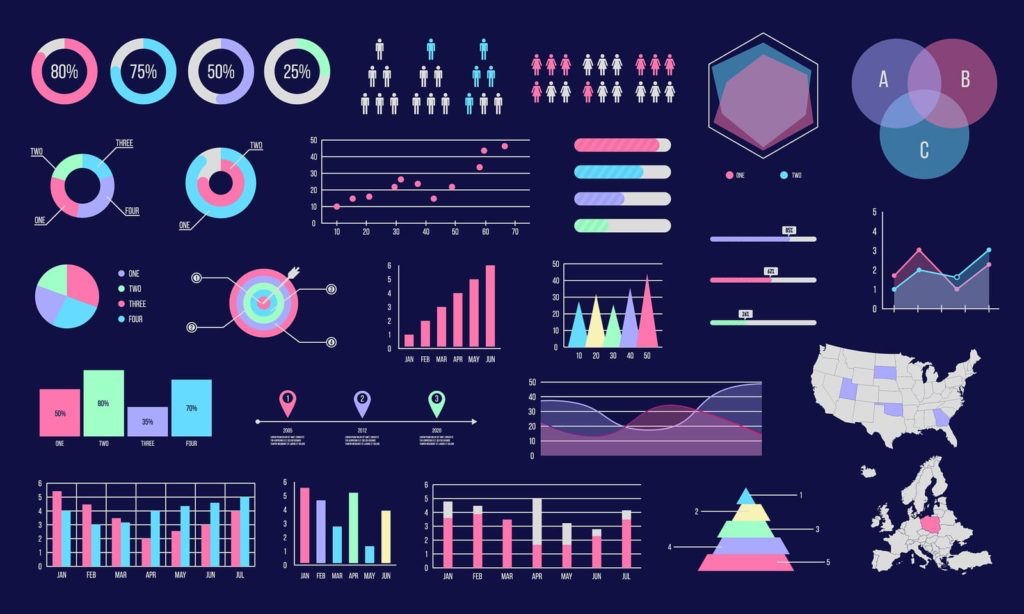
What struck me immediately about this passage is how it flips the traditional dynamic of humanities scholarship on its head. You read theoretical frameworks in a seminar room, write a paper analyzing a text or historical event through that lens, and call it a day. The idea that building or designing something is itself a form of deep theoretical inquiry, not just a technical service or a fancy way to display finished research, completely changes how I think about learning, and it actually excites me about learning in itself. This framing of learning strongly connects to my creative side which I feel like often gets suppressed because of traditional learning styles. I think the idea of being more hands on and designing or creating something makes it so much easier to learn because I am also just a much better visual learner. Reading this text helped bridge the gap between non-hands on stuff and being able to design a visual data set or something that continues to inspire me to create something that could help me learn. It validates the idea that the choices we make when prototyping an interface, mapping a dataset, or structuring an archive are deeply intellectual, choice-driven decisions that shape meaning and intention. Looking ahead to this term under the Humanities umbrella, I am particularly eager to dive into data visualization and data management. I want to explore how translating complex historical or literary networks into visual, spatial forms can reveal patterns that traditional close reading might miss. Beyond just learning the software tools, I am excited to treat these technical builds as living experiments. I think in learning these techniques it could also help me in many other subjects and areas in my life. Digital Humanities could be something that, like I said, bridges the gap for me between things that are not hands on and being able to give myself visual cues that will help me learn and truly understand the information at hand.