Reflection
I think AI image manipulation can be useful, especially when we want to imagine what the past may have looked like. At the same time, I think this creates an ethical problem. When an AI-generated image looks very real, people may start to believe that it shows the past exactly as it happened.
Sonja Drimmer talks about this problem in How AI Is Hijacking Art History. She writes that some AI projects “have not, in actuality, revealed one secret or solved a single mystery.” I think this is important because AI images can look like new discoveries even when they are mostly guesses based on information we already have. A reconstructed painting may look complete and convincing, even when the computer had to invent some of the details. When AI adds color to a black-and-white photo, it does not actually know the original colors. It makes a prediction based on other images and its training data. The final image may look natural, so people may forget that some of the colors are guesses.
At the same time, an AI system may recognize patterns across thousands of images; however, it may not understand why an artist made a certain choice or what an object meant to people at that time. If we use the same AI system on images from very different cultures and periods, we may lose some of those differences. Thus, for me, the biggest ethical issue is whether people can tell what is real evidence and what is created by AI.
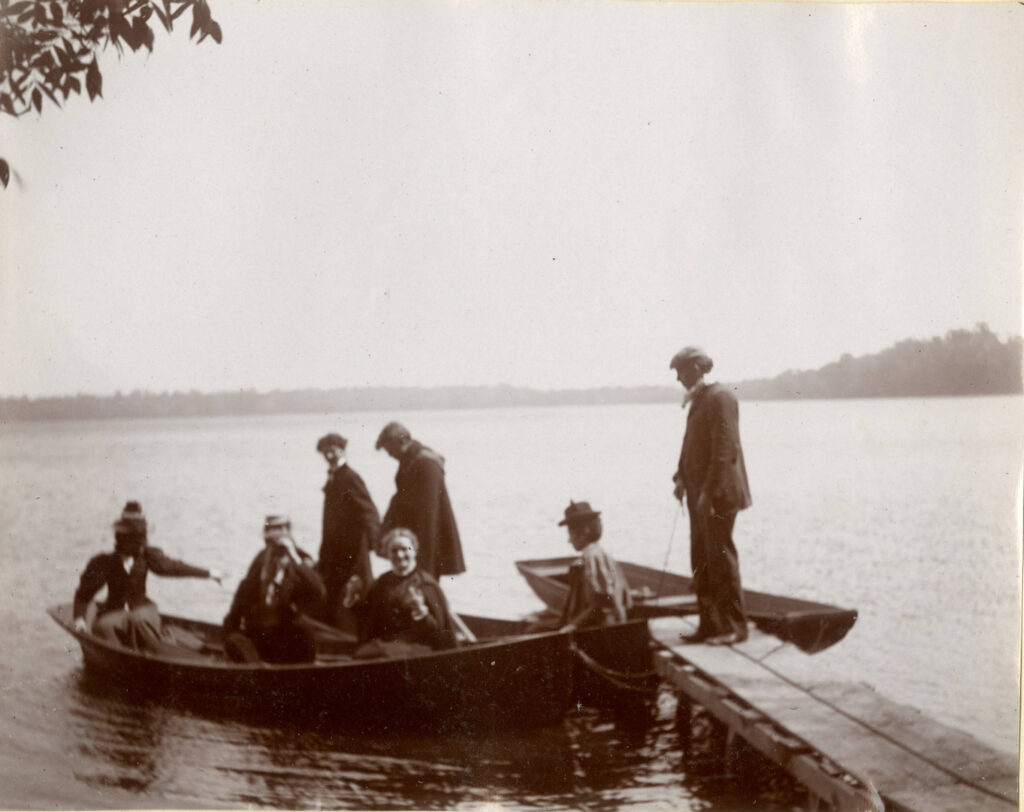
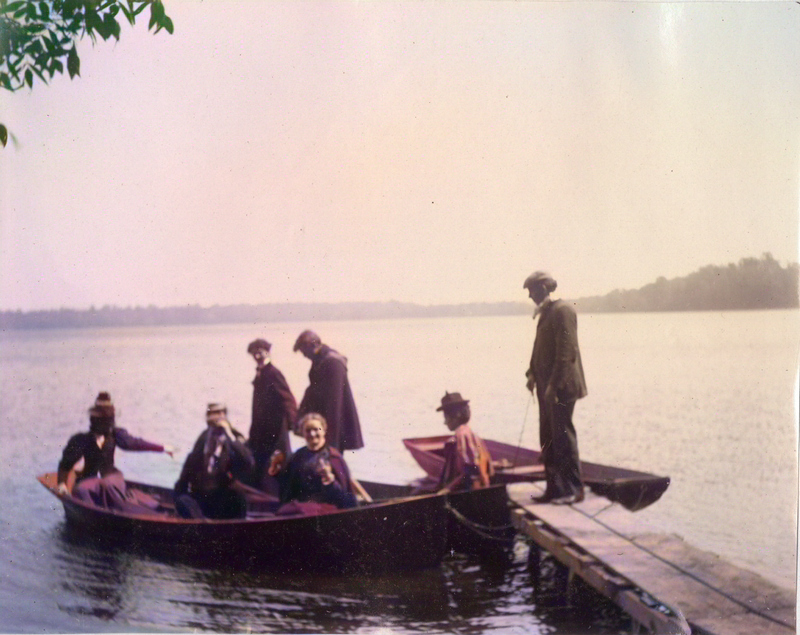
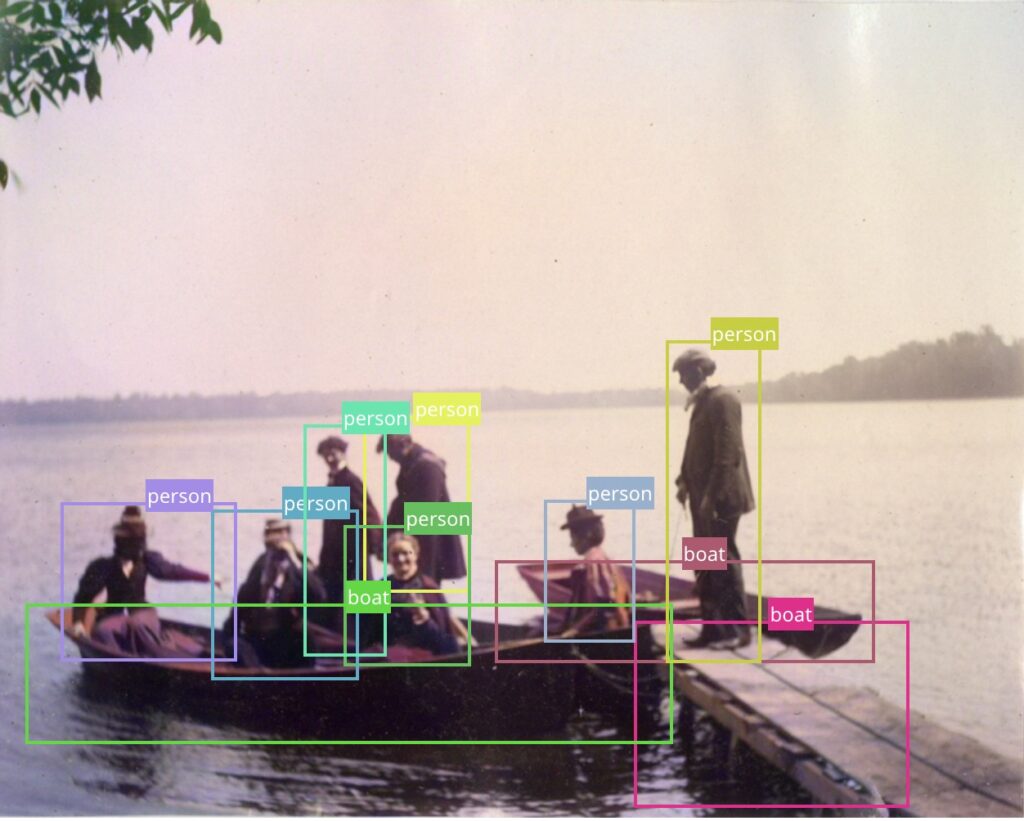
Hi Joey, I like your ethical concern about whether human beings can tell if a photo is created by AI. Although there are some unnatural color lump in the photos generated by the AI, they are making it close enough for human beings to believe those photos are the “truth”. When AI applies the same pattern of coloring to photos from different cultures, there may be some loss of elements and differences.
Hi Joey, I like your ethical concern about whether human beings can tell if a photo is created by AI. Although there are some unnatural color lump in the photos generated by the AI, they are making it close enough for human beings to believe those photos are the “truth”. When AI applies the same pattern of coloring to photos from different cultures, there may be some loss of elements and differences.
Hi Joey! I totally agree with your point that AI can often make mistakes and fail to reveal what actually happened in the past. In this case, I think we should use it wisely and critically. Rather than just accepting its outputs, we can ask ourselves: Does this actually make sense in this historical context?
I can definitely understand your point about people mistaking AI altered information as true, but i don’t think it would be to a super high extent, at least not at this point in time. It is convincing sure, but its not completely perfect in every aspect, such as its image classification or generated videos. However i still agree with your point, on how it could become an ethical problem. In your opinion, has AI already reached a point of concern for safety in society?