Putting aside all of my personal beliefs about Artificial Intelligence, it is somewhat pretty cool that AI can be use to “touch-up” or “restore” images. I think that shows how applicable AI usage can be other fields. However, I believe that it is important to not fully take the “work” that AI uses to manipulate images at face value. Some parts may be accurate, but others may be falsely fabricated.
It is not just a matter of using computer vision algorithms to pursue areas such as cultural history and social history, but also imperative that we become active in critiquing, designing, and building the algorithms that will facilitate the collection-building and source-discovery processes that guide historians to their sources.
Lauren Tilton, “Relating to Historical Sources,” ed. R. D. Meadows, The American Historical Review, AHR History Lab Forum: Artificial Intelligence and Its Implications for the Present and Future of Historical Research, 128, no. 3 (September 1, 2023): 1354–59, https://doi.org/10.1093/ahr/rhad365
Given how AI models are trained on human data, does the process remain the same or differ for the products it (AI) produces? I say this because art is all about creativity. Yes, there are cases when artists might draw inspiration from prior pieces or artistic figures, but the concept of AI manipulating images to what it “thinks” the original looks like basically disrespects the original body of work. I believe that that stems from overconfidence in what AI models produce.
At their core, art historians study the ways in which art can offer insights into how people once saw the world. They explore how works of art shaped the worlds in which they were made and would go on to influence future generations.”
Sonja Drimmer, How AI is Hijacking Art History, The Conversation
It may seem simple, but color and certain “touch-ups” can influence the way that art is perceived. If art is manipulated in a certain way, people may develop a clear misunderstanding about the artwork. Ultimately, artists are trying to send a certain message to viewers of their work. So, with image manipulation, the representation of the art piece is somewhat inaccurate and/or the manipulated image has low value.
Here are the images: Original, Colored, Distant Viewing Explorer (left to right)
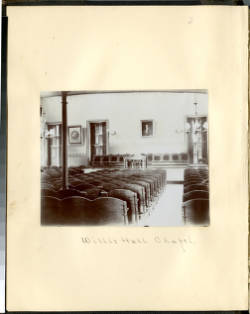
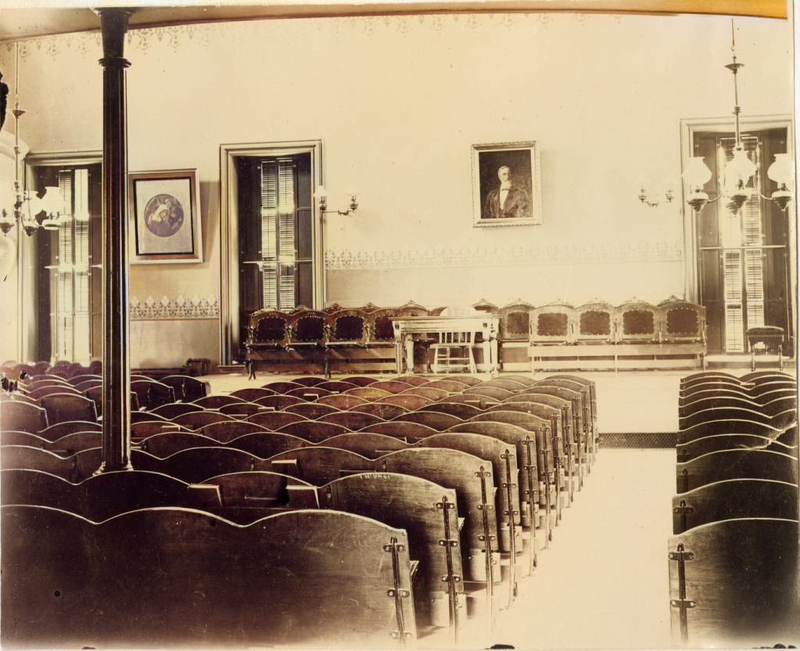
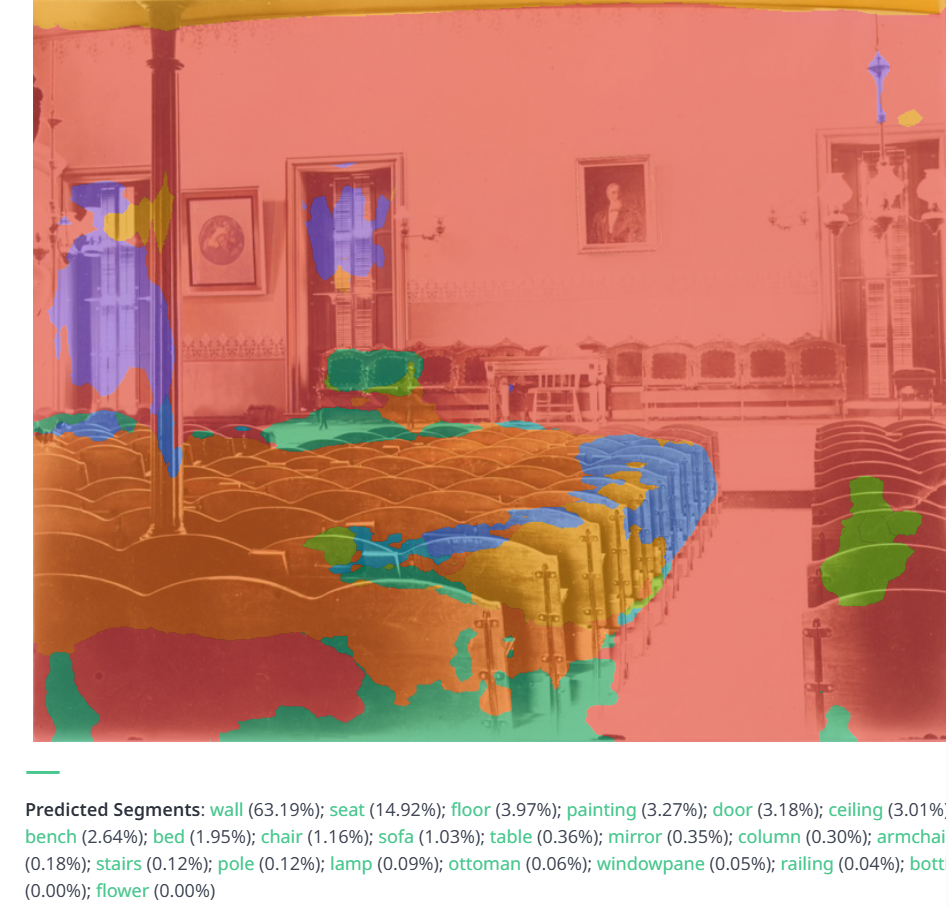

Akweley, I totally agree with you that AI image manipulation may get us farther from the subject of interest, in turn skewing our understanding of what the past may have looked like? I think it is interesting to think about the ways that we can temper our “overconfidence” in AI model. Does some of our confidence stem from our inability to see AI’s internal calculations?
This was really insightful! I think a lot of AI errors come from AI’s recursiveness. When some models are trained, companies like OpenAI create thousands of the same models and force them to solve extremely difficult or impossible problems; this forces the AIs to “fight” for their survival. As a result, AI caters itself to “create” what it statistically determines the human user will want. That removes a lot of the accuracy and makes it so that parts of the algorithm and code take precedence over more desirable and thorough outcomes.