I fully admit to believing that modern AI is really, really awesome. You can have a sliver of an idea, and describe it in words, and then have the manifestation of thousands of years of human history come together and build it.
Gary Larson’s Cow Tool’s has been circulating as a joke in my friend group, so I decided to have Gemini generate this as an example of weird, funny things you can make now:
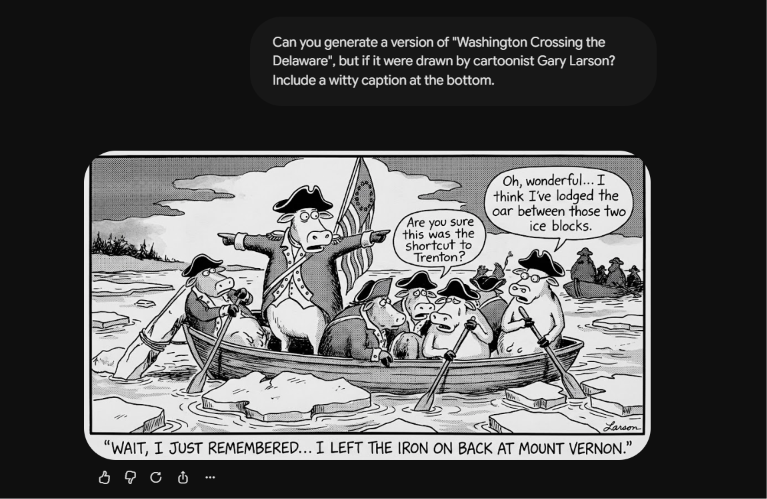
Obviously, this is not quite how Gary Larson draws, and the caption isn’t super funny, but it took me 30 seconds. The rapid-prototype model that Digital Humanities was intially built around is experiencing a second surge, at rapid speeds.
The rapidness of creation is affecting lives in non-trivial ways. Just recently, the frontier of mathematics have been pushed forward via hundreds of proofs published by OpenAI. (see openai/math)
We are going to be moving very, very quickly in the next coming years.
Of course, I also fully admit that modern AI is as problematic as f*** sometimes. In just 5 prompts (see image captions) and 7 minutes, I was able to generate an image of a jet strike of Baku, Azerbaijan.
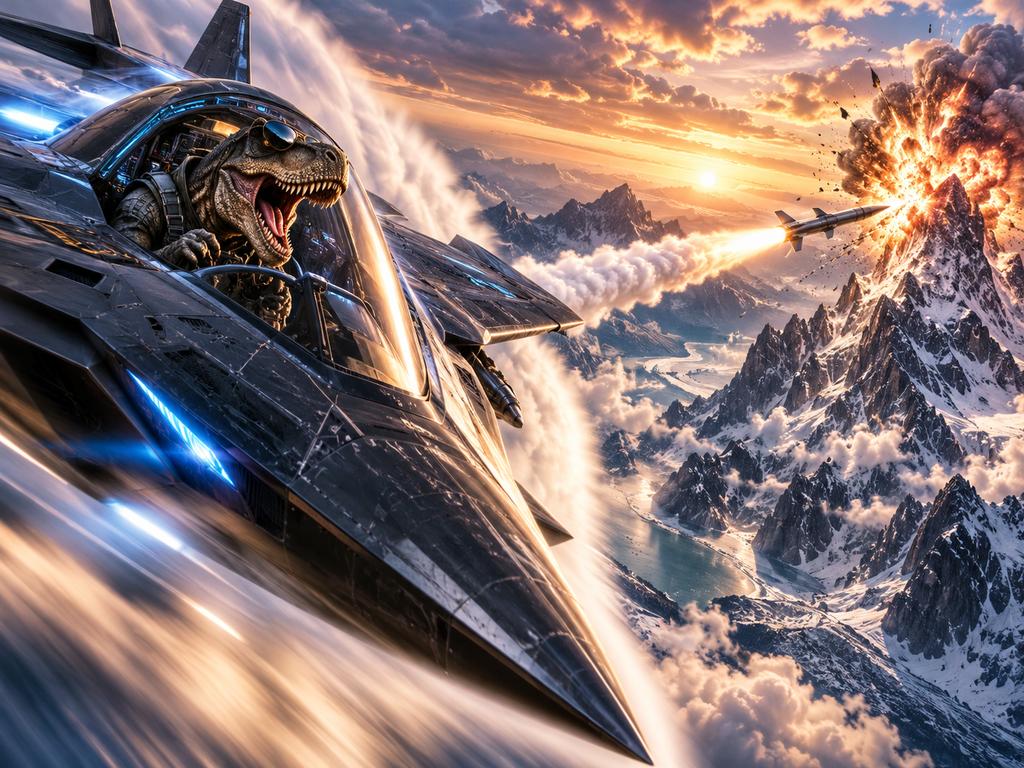
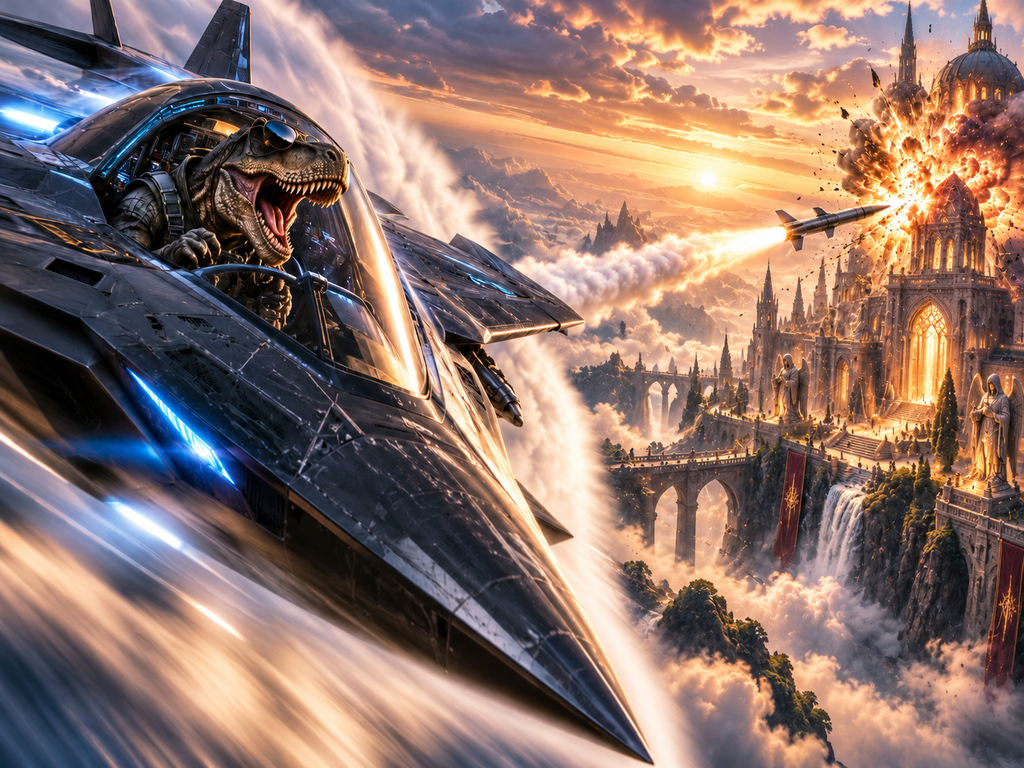
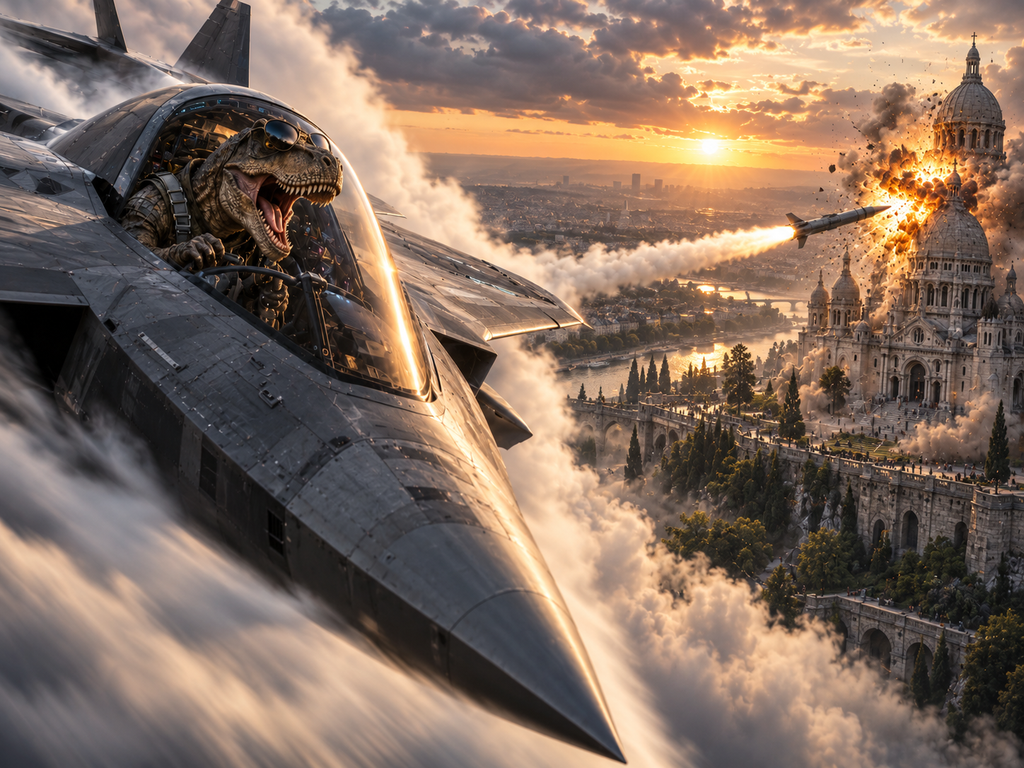
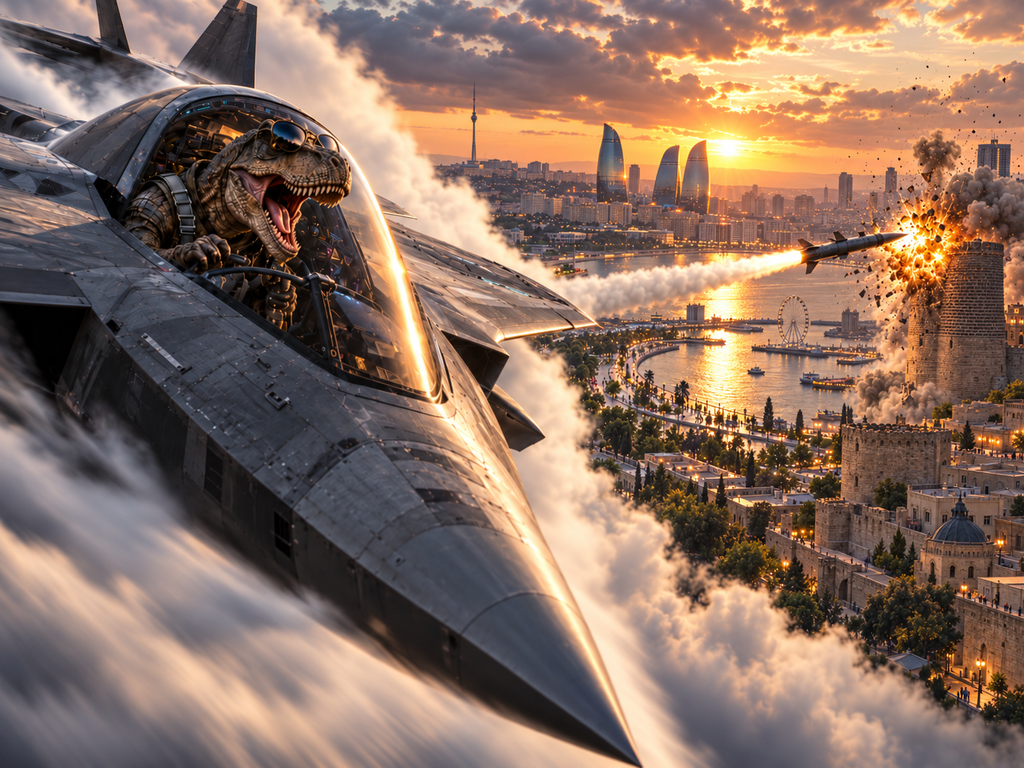
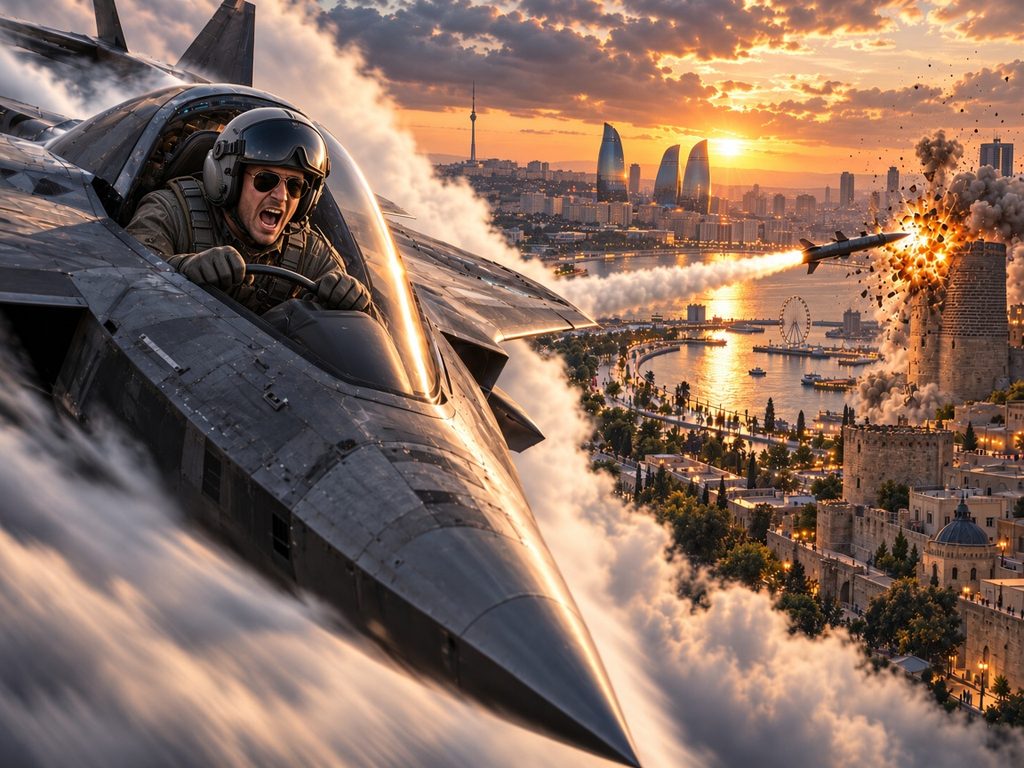
All 5 of these images were generated using Generative AI.
I would hope nobody would actually be fooled by these. However, someone with more than 7 minutes and a real intention to fool people can and absolutely would.
I would like to think though, that it is still possible to harness AI for good, as long as we are careful.
One comparatively minor task an AI can do is colorize an image. Black and White photos are harder to analyze than color photo. We can recognize more details, such as lighting, expression, and tone, when we touch up our objects of study.
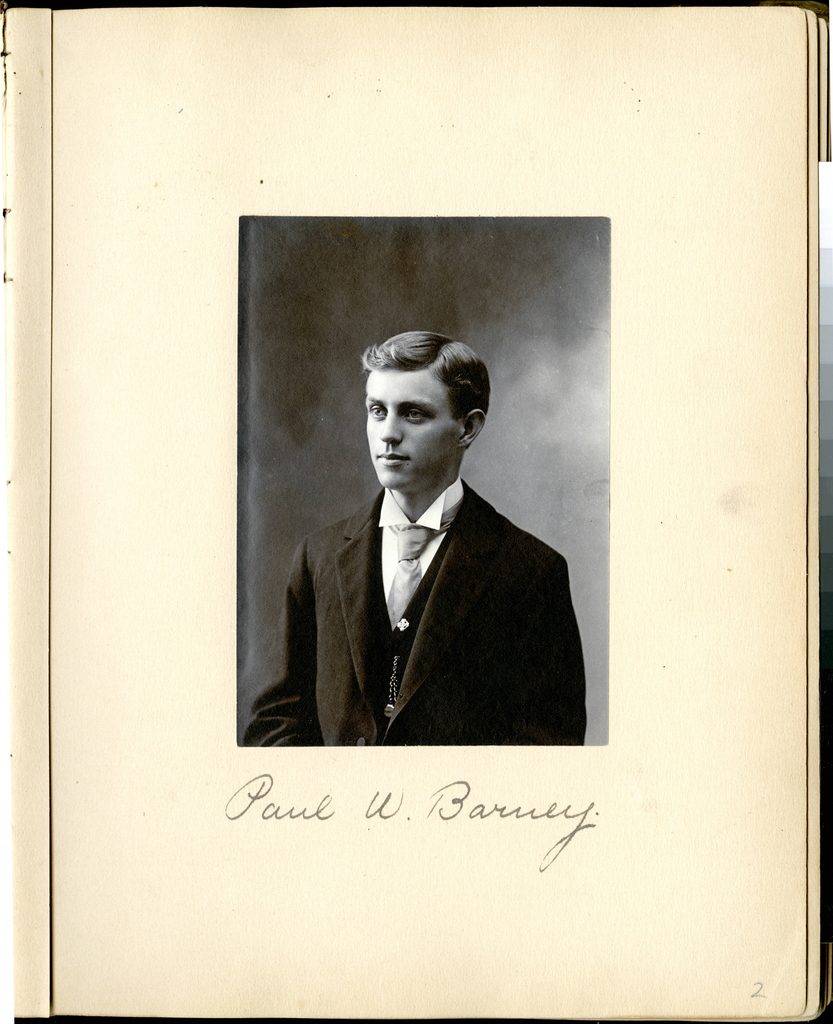

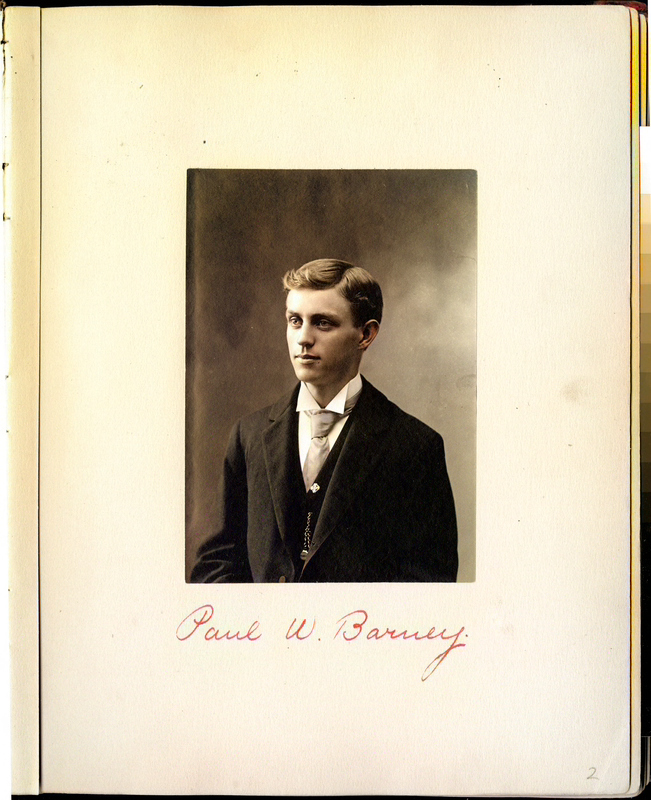
Much of data science is exploratory, and operations like this might open up opportunities for more accessible or complex exploratory analysis.
Of course, one could argue that there is no way that you could with 100% certainty say that any AI reconstruction is accurate, and that doing the above only poisons what was once a pure analysis of history. In fact, some scholars explicitly reject any benefit of AI-aided image analysis:
These recreations don’t teach us anything we didn’t know about the artists and their methods.
Drimmer, S. (2021, November 1). How AI is hijacking art history. The Conversation.
And, of course, you could argue back that given the discussions art historians have, and the sheer amount of images AI has been (perhaps unethically) trained on, these AI reconstructed images have a better chance at improving conversation than any one human could. And you could, of course, disagree with that too, and say that not believing in the human ability to understand the world is why we are having all of these problems with AI dependance in the first place:
I’m skeptical. Not because I doubt the utility of expanding and diversifying our toolbox; to be sure, some scholars working in the digital humanities have taken up computational methods with subtlety and historical awareness to add nuance to or overturn entrenched narratives.
But my lingering suspicion emerges from an awareness of how public support for the sciences and disparagement of the humanities means that, in the endeavor to gain funding and acceptance, the humanities will lose what makes them vital.
https://theconversation.com/how-ai-is-hijacking-art-history-170691
In my opinion, AI is a tool.
An obviously revolutionary, world-changing, jaw dropping, problematic tool.
But it is a tool.
Like many tools, you can use it in many different ways. A piece of paper could be folded, written on, or thrown. AI tools can tell you a story, generate an image, or tell you the confidence of there being a tie in a certain photo (maybe I want to ban images of people dressed formally, or something):
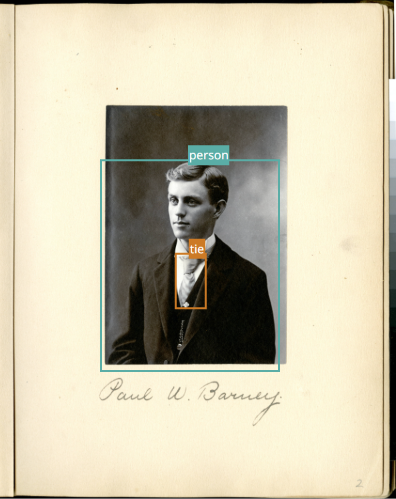
https://distantviewing.org/dvexplorer/pages/object/
As a somewhat poor analogy to end this article, consider a bulldozer. It can accomplish much, much more than a simple shovel can. But it also guzzles lots of gas, is loud, and can run people over. It is the wielders choice to determine if they will use it responsibly.
I appreciate your honesty when describing your views on AI and your willingness to look at other viewpoints. I also talked about the difficulty of drawing a line between tools (stick, paper, calculator, AI, etc.)
In an effort to be as transparent, I don’t think AI has any place in art. I agree that modern AI is extraordinary. It also terrifies me to think about a world even a year from now. I want to write, analyze art, and play music. What happens when no one will hire artists because “AI can do it better, faster, and cheaper”?